Planning a Ramadan Iftar Gathering: A Complete Host's Guide
Learn how to host a meaningful Ramadan iftar gathering with our complete guide covering planning, menu ideas, etiquette, and inclusive hosting tips.
February 24, 202611 min read
Introduction
Ramadan is the ninth month of the Islamic lunar calendar, a sacred time of fasting, prayer, reflection, and community. From dawn to sunset, Muslims around the world abstain from food, drink, and other physical needs as an act of devotion, self-discipline, and empathy for those less fortunate. Each evening, the fast is broken with iftar — a meal that begins at sunset and carries deep spiritual significance far beyond the food on the table.
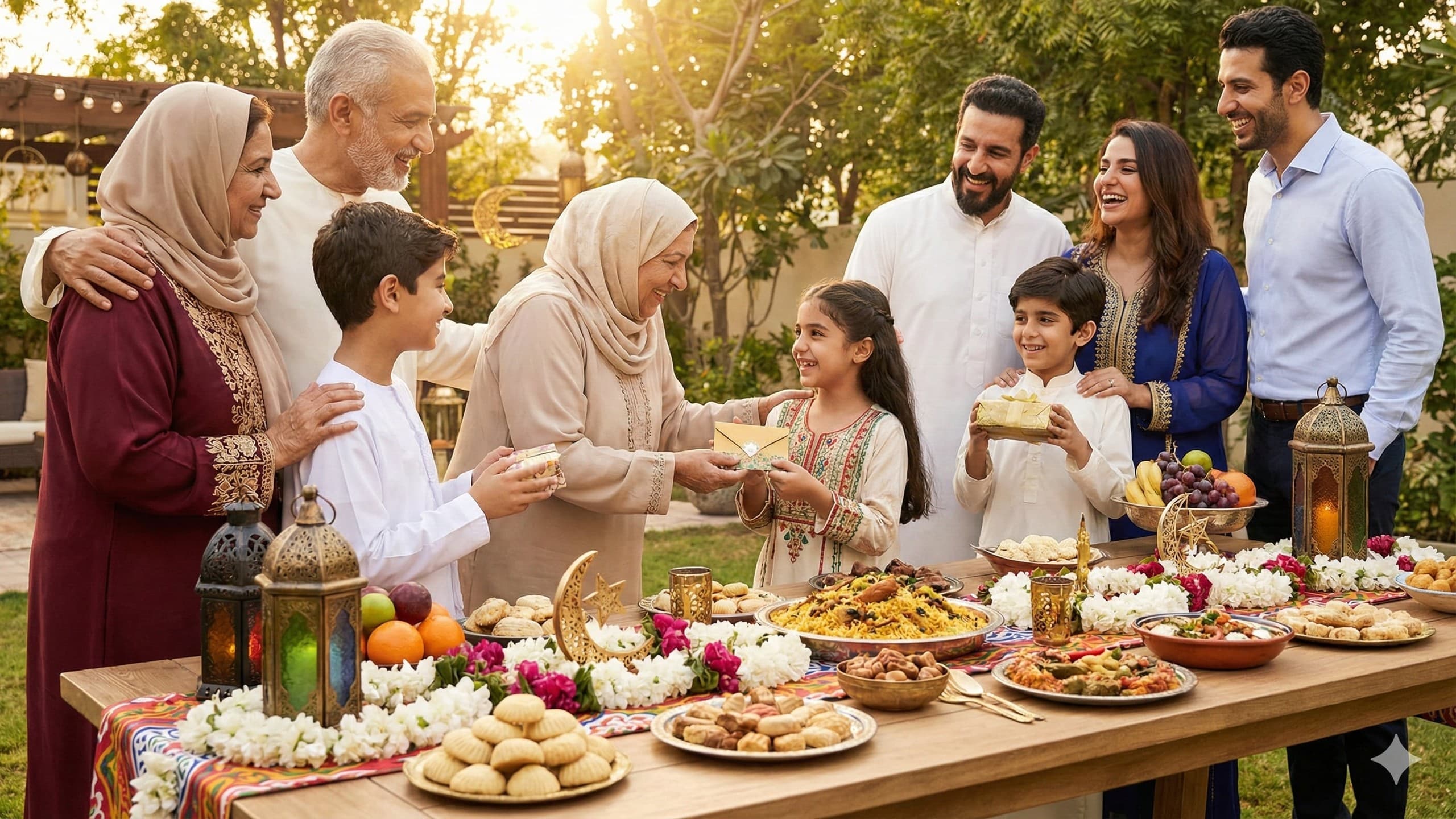
Hosting an iftar gathering is one of the most generous and rewarding acts during Ramadan. The Prophet Muhammad (peace be upon him) said, "Whoever provides the food for a fasting person to break his fast with will receive the same reward as the fasting person, without any reduction in the fasting person's reward." Whether you are hosting family, friends, neighbors, or an entire community, this guide will walk you through every step of planning a meaningful, well-organized iftar.
Understanding the Spiritual Significance of Iftar
Before diving into logistics, it is important to understand why iftar holds such a special place in the hearts of those who observe Ramadan. The act of breaking the fast is not merely eating after a long day — it is a moment of gratitude, of answered prayers, and of communal bonding.
The time just before iftar is considered one of the most spiritually powerful moments for supplication (dua). Families and communities gather together, and there is a palpable sense of anticipation and togetherness. When you host an iftar, you are creating space for this spiritual experience, not simply serving a meal. Keeping this in mind will guide every decision you make, from invitation wording to the flow of the evening.
THE TRADITION OF GENEROSITY IN RAMADAN
Generosity is a cornerstone of Ramadan. Many Muslims increase their charitable giving during this month, and hosting others for iftar is considered a form of sadaqah (voluntary charity). Throughout the Muslim world, you will find community iftars in mosques, on streets, and in public spaces where anyone — regardless of faith or background — is welcome to share the meal. This spirit of open-handed hospitality should inspire your own gathering.
Planning Timeline: Start 2-4 Weeks Before Ramadan
Ramadan follows the Islamic lunar calendar, which means its dates shift approximately 10-12 days earlier each year on the Gregorian calendar. Because the exact start date depends on the sighting of the new moon, it is wise to begin planning with some flexibility built in.
4 WEEKS BEFORE RAMADAN
• Set your iftar dates. Decide whether you will host a single iftar, a weekly gathering, or a nightly open-door policy. Many families host one or two large iftars and attend others throughout the month.
• Draft your guest list. Consider family, friends, neighbors, colleagues, and community members. Iftar is a wonderful opportunity to invite non-Muslim friends as well — many will appreciate the chance to learn about Ramadan firsthand.
• Choose your format. Will this be an intimate family dinner for 10, a mid-size gathering for 30, or a community iftar for 100 or more?
2-3 WEEKS BEFORE RAMADAN
• Send invitations. Be mindful of timing when sending digital invitations or messages. During Ramadan, many Muslims adjust their schedules significantly — waking early for suhoor (the pre-dawn meal) and resting during the afternoon. Sending messages during appropriate hours shows consideration.
• Plan your menu. Finalize dishes, accounting for the number of guests and any dietary needs.
• Arrange your space. Whether hosting at home, in a rented hall, or at a community center, ensure there is adequate space for both the meal and prayer.
1 WEEK BEFORE RAMADAN
• Confirm RSVPs and finalize headcount.
• Begin advance food preparation. Many iftar dishes can be partially prepared and frozen ahead of time.
• Prepare the prayer space. Lay out clean prayer mats or designate a quiet area for Maghrib prayer.
DAY OF IFTAR
• Set the table or buffet before Asr (afternoon) prayer so you are not rushing as sunset approaches.
• Place dates and water at each setting — this is the Sunnah way of breaking the fast.
• Confirm the exact Maghrib time for your location (this changes daily and varies by city).
If you are hosting multiple iftars throughout the month, a platform like Eventifia can help you manage recurring events, track RSVPs across different dates, and ensure your communication reaches guests at appropriate hours with its timed messaging feature.
The Traditional Iftar Flow
Understanding the rhythm of an iftar evening will help you plan a gathering that feels natural and respectful.
1. GATHERING BEFORE SUNSET
Guests typically arrive 15-30 minutes before the Adhan (call to prayer) for Maghrib. This is a quiet, reflective time. Many guests will be making dua (personal supplication), as the moments before breaking the fast are considered especially blessed. Provide a calm, welcoming environment. Light refreshments are not served yet — remember, everyone is still fasting.
2. BREAKING THE FAST
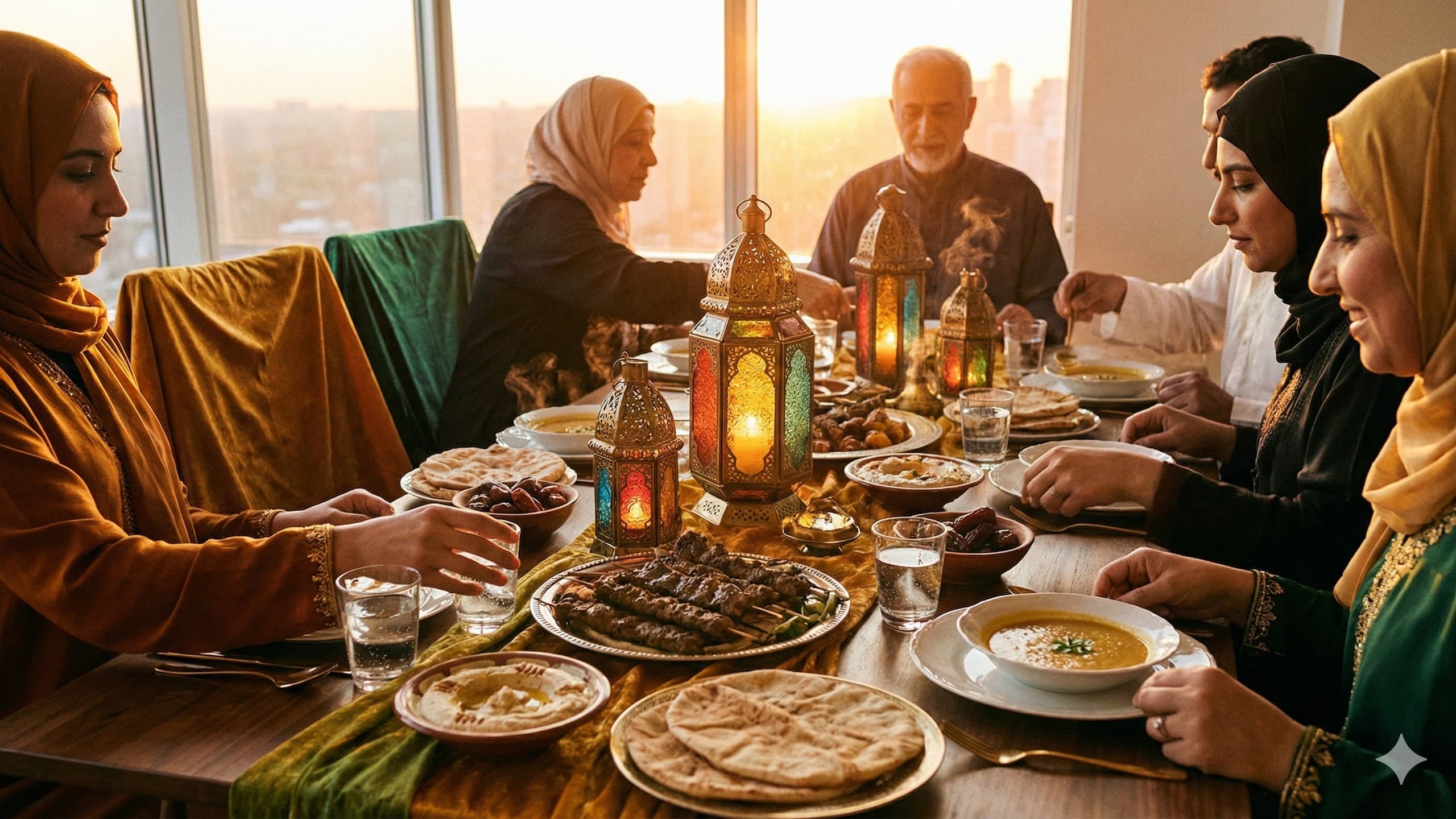
At the exact time of Maghrib (sunset), the fast is broken. Traditionally, this begins with dates and water, following the practice of the Prophet Muhammad (peace be upon him). Some communities also offer a light soup, a glass of laban (buttermilk), or a few pieces of fruit at this stage.
3. MAGHRIB PRAYER
After the initial breaking of the fast with dates and water, most guests will pray Maghrib. If you are hosting at home, designate a clean, quiet area with prayer mats facing the qibla (the direction of Mecca). The prayer takes approximately 5-10 minutes.
4. THE MAIN MEAL
After prayer, the full meal is served. This is when the atmosphere shifts to warmth, conversation, and celebration. The meal can be as simple or elaborate as you wish.
5. SOCIALIZING, TEA, AND DESSERT
After the main course, guests often linger for tea, coffee, and sweets. This is a cherished social time. Some gatherings include a short Islamic reminder or Quran recitation, though this varies by community and preference.
Menu Planning Across Cultures
One of the beautiful aspects of the global Muslim community (Ummah) is its incredible diversity. Iftar tables around the world reflect the rich culinary traditions of dozens of cultures. Here is a sampling to inspire your menu.
MIDDLE EASTERN IFTAR TRADITIONS
• Dates and Arabic coffee to break the fast
• Lentil soup (Shorbat Adas) — a staple across the Arab world
• Fattoush or tabbouleh salad
• Sambousek (savory pastries filled with meat or cheese)
• Grilled kebabs, rice with vermicelli, and roasted vegetables
• Kunafa or Qatayef for dessert — these are particularly associated with Ramadan
SOUTH ASIAN IFTAR TRADITIONS
• Fruit chaat (spiced fruit salad) to break the fast
• Pakoras and samosas — fried snacks are a beloved iftar staple
• Dahi Baray (lentil dumplings in yogurt)
• Biryani or nihari for the main course
• Gulab jamun or kheer for dessert
NORTH AFRICAN IFTAR TRADITIONS
• Harira — a hearty tomato-based soup with lentils and chickpeas, iconic in Moroccan Ramadan
• Brik or bourek (stuffed pastry)
• Couscous with vegetables and lamb
• Chebakia (sesame cookies dipped in honey) — a Ramadan specialty
TURKISH IFTAR TRADITIONS
• Pide bread — a special flatbread baked during Ramadan
• Lentil or yogurt soup
• Borek (savory pastry)
• Lamb or chicken stew with rice pilav
• Baklava or gullac for dessert — gullac is a rose-water-scented milk dessert specific to Ramadan
A NOTE ON INCLUSIVITY IN MENU PLANNING
If your guest list includes people from diverse backgrounds, consider offering a spread that features dishes from multiple traditions. Label each dish clearly, noting ingredients for those with allergies. All food served at an iftar should be halal — if you are a non-Muslim host and unfamiliar with halal requirements, consult with a knowledgeable friend or source your ingredients from a certified halal provider.
Hosting Non-Muslim Guests with Grace
Inviting friends, colleagues, and neighbors of other faiths (or no faith) to your iftar is a beautiful gesture of bridge-building. Here are some tips to ensure everyone feels welcome and informed.
• Explain the evening's flow in advance. A brief note in your invitation — "We will break our fast at sunset with dates and water, followed by a short prayer, and then dinner" — helps non-Muslim guests know what to expect.
• You do not need to expect non-Muslim guests to fast. However, it is considerate for guests to avoid eating or drinking in front of fasting hosts before iftar time if they arrive early.
• Welcome questions. Most Muslims are happy to share about Ramadan. An iftar is one of the best ways for people of other backgrounds to experience the warmth and spirituality of the month.
• Do not pressure anyone to pray. Prayer is a personal act of worship. Non-Muslim guests can simply sit quietly or continue socializing in another area during the prayer time.
Decor and Atmosphere
Iftar decor should be warm, inviting, and reflective of the spiritual nature of the occasion. You do not need an elaborate setup — simplicity is often more in keeping with the spirit of Ramadan.
CLASSIC IFTAR DECOR ELEMENTS
• Lanterns (fanous): Traditional Ramadan lanterns, especially popular in Egyptian tradition, create a beautiful ambiance. Battery-operated versions are safe and widely available.
• Crescent moon and star motifs: Symbolic of the Islamic calendar, these can be incorporated into table settings, banners, or centerpieces.
• Arabic calligraphy: Framed verses from the Quran, "Ramadan Mubarak" banners, or place cards with Arabic script add an elegant touch.
• Candles and soft lighting: The evening iftar atmosphere benefits from warm, gentle lighting.
• Fresh flowers and greenery: Simple arrangements of white or green flowers keep the table fresh and natural.
• A date platter as a centerpiece: Arrange premium dates on a beautiful dish as both decor and the first food of the evening.
SETTING THE PRAYER SPACE
Designate a clean area with prayer mats oriented toward the qibla. A small sign indicating the qibla direction is helpful if guests are unfamiliar with your home. Ensure the area is free from distractions, and if you have pets, keep them away from the prayer space during prayer time.
Communication Etiquette During Ramadan
Ramadan significantly shifts daily rhythms. Many Muslims wake before dawn for suhoor and may rest in the early afternoon. Sending event reminders, updates, or messages at inconsiderate hours — such as very early morning or late at night — can be disruptive.
BEST PRACTICES FOR RAMADAN COMMUNICATION
• Send invitations and reminders during the late morning or early afternoon.
• Avoid messaging during the hour before iftar — this is a time of prayer and preparation.
• After-iftar hours (roughly 8-10 PM depending on location and season) are often a good window for communication, as people are refreshed and social.
• Be mindful of Tarawih prayer times — many Muslims attend extended night prayers at the mosque after Isha prayer. Avoid scheduling communication during this time (typically 9-11 PM).
Eventifia's timed communication feature is particularly valuable during Ramadan. You can schedule invitation reminders and updates to be delivered at culturally appropriate times — for example, scheduling messages to arrive after Maghrib when guests have broken their fast and are in a receptive, relaxed state. This small detail communicates deep respect for your guests' spiritual practice.
Hosting Multiple Iftars Throughout Ramadan
Many families and community organizations host iftar gatherings weekly or even nightly throughout the 29-30 days of Ramadan. Managing this requires thoughtful organization.
NIGHTLY OPEN IFTARS
Some households maintain an open-door policy: anyone is welcome, any night. This is a cherished tradition in many Muslim communities. For nightly iftars:
• Keep meals simple and sustainable — elaborate spreads every night will lead to burnout.
• Rotate main dishes throughout the week.
• Accept help graciously — guests often bring dishes to contribute.
• Use a shared sign-up system so you know approximate numbers each night.
WEEKLY THEMED IFTARS
A more structured approach is to host a weekly iftar with different themes:
• Week 1: Middle Eastern night
• Week 2: South Asian night
• Week 3: North African night
• Week 4: Potluck — everyone brings a dish from their heritage
COMMUNITY IFTARS
Mosque-organized or community center iftars can serve hundreds of people. These require:
• A dedicated volunteer team for setup, cooking, serving, and cleanup
• Coordination with local halal restaurants or catering services
• Clear communication about timing and logistics
• Parking and traffic management for larger venues
For hosts managing multiple iftars throughout the month, Eventifia offers multi-day event support that links all your Ramadan gatherings together. Guests can RSVP to specific dates, and household grouping ensures that when you invite a family, they respond as a unit rather than requiring individual invitations to each family member.
Community Iftars vs. Intimate Family Gatherings
Both formats carry their own beauty and significance.
THE COMMUNITY IFTAR
Community iftars — whether at a mosque, community center, or someone's large home — embody the communal spirit of Ramadan. Strangers sit side by side, students away from home find warmth, and newcomers to the faith experience belonging. These gatherings often include a short talk or Quran recitation and emphasize the equality of all people before God — everyone eats the same food, seated together.
THE INTIMATE FAMILY IFTAR
Family iftars are where traditions are passed down. Grandparents share stories, children learn the rituals, and the specific culinary traditions of a family are lovingly prepared. These smaller gatherings allow for deeper conversation and a more personal spiritual atmosphere.
The best Ramadan experience often includes both: large community iftars that broaden your circle, and quiet family evenings that deepen your roots.
Practical Checklist for Your Iftar Gathering
Use this checklist to ensure nothing is overlooked:
☐ Confirm the exact Maghrib (sunset) time for your date and location
☐ Send invitations 2-3 weeks in advance with clear timing information
☐ Plan your menu, ensuring all food is halal
☐ Purchase high-quality dates for breaking the fast
☐ Prepare the dining area (seating, table settings, serving stations)
☐ Set up a clean prayer space with prayer mats facing the qibla
☐ Arrange warm, welcoming lighting (lanterns, candles, soft lamps)
☐ Prepare water and dates at each place setting before guests arrive
☐ Have the main meal ready to serve immediately after Maghrib prayer
☐ Plan dessert and tea service for post-meal socializing
☐ If hosting non-Muslim guests, include a brief note about the evening's flow
☐ Confirm any dietary restrictions or allergies with guests
☐ Prepare a small welcome note or printed dua for breaking the fast
Making Your Iftar Gatherings Memorable
The most memorable iftars are rarely the most extravagant — they are the ones where guests feel genuinely welcomed, where the spiritual atmosphere is honored, and where community bonds are strengthened. A simple meal shared with sincerity and love is worth more than a lavish feast served without heart.
As you plan your Ramadan iftar gatherings this year, focus on creating an environment of warmth, inclusion, and spiritual depth. Your guests will remember how they felt far longer than what they ate.
Ready to plan your Ramadan iftar gatherings with ease? Eventifia helps you manage invitations, RSVPs, and communication with the cultural sensitivity your guests deserve — including timed messaging that respects Ramadan schedules, household grouping for family invitations, and bilingual support in Arabic with full RTL formatting. Start planning your iftar gatherings today at eventifia.com.