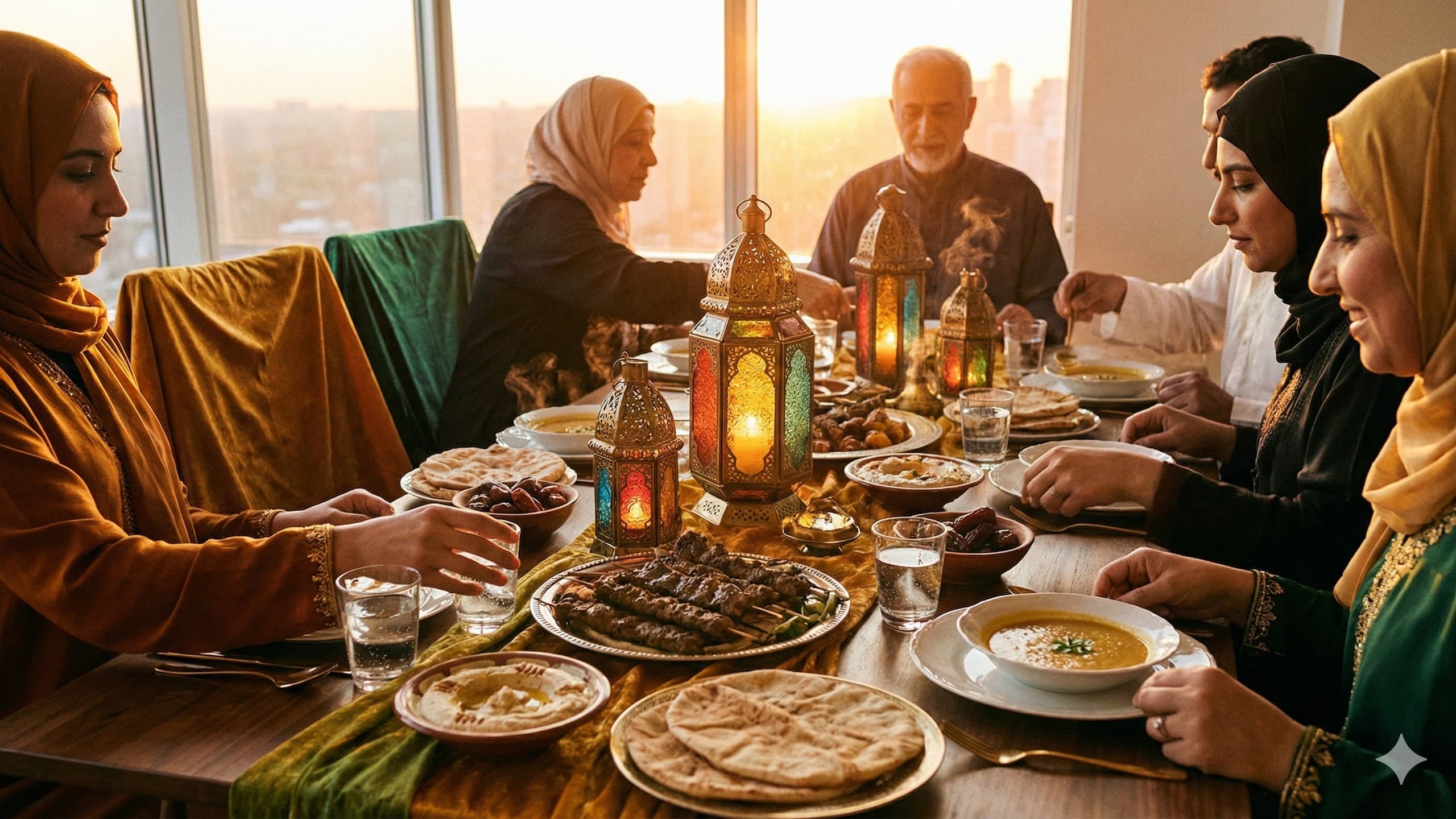
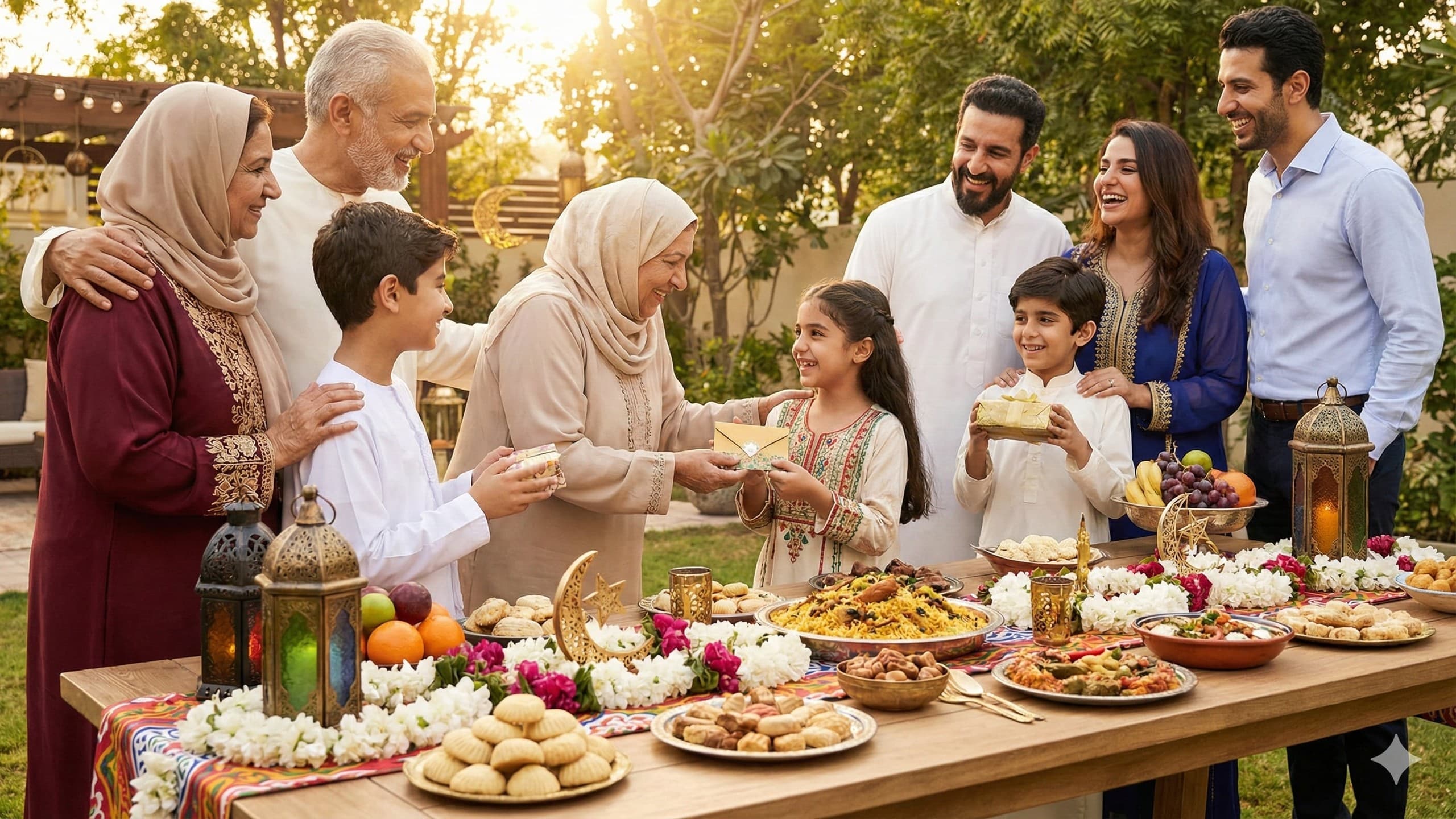
Culturally Sensitive Event Catering: A Complete Guide to Inclusive Dining
Master culturally sensitive event catering with our guide to halal, kosher, Hindu, Buddhist, and Jain dietary needs plus allergy management.
February 24, 202610 min read
Introduction
Food is the universal language of hospitality. Across every culture and tradition on earth, offering food is an act of welcome, generosity, and care. But food is also one of the most deeply personal aspects of cultural and religious identity. What we eat, how it is prepared, who prepares it, and how it is served are governed by traditions, beliefs, and laws that carry profound meaning for those who observe them.
When you host an event — whether a wedding, a corporate gathering, a community festival, or a family celebration — the food you serve sends a message. A thoughtfully planned menu that accommodates your guests' dietary traditions says: "You are seen. You are respected. You belong here." A carelessly planned menu that ignores or marginalizes certain dietary needs sends the opposite message, however unintentionally.
This guide is a comprehensive resource for understanding major religious and cultural dietary traditions, managing common allergies and intolerances, communicating effectively with your guests and caterers, and creating a dining experience where every guest can eat with confidence and joy.
Why Culturally Sensitive Catering Matters
RESPECT AND INCLUSION
For many people, dietary laws are not preferences or lifestyle choices — they are deeply held religious obligations. A Muslim who eats halal, a Jewish person who keeps kosher, or a Jain who avoids root vegetables is following a code of conduct that is central to their identity and faith. Treating these needs with the same seriousness as a severe allergy — which is to say, with absolute seriousness — is a matter of basic respect.
SAFETY
Religious dietary requirements and food allergies share a critical similarity: the consequences of getting it wrong can be severe. For someone with a nut allergy, cross-contamination is a medical emergency. For a person of faith, unknowingly consuming prohibited food can cause genuine spiritual distress. Both deserve meticulous attention.
HOSPITALITY AT ITS BEST
The highest expression of hospitality is anticipating your guests' needs before they have to ask. When a Muslim guest arrives at your event and finds clearly labeled halal options, or when a guest with celiac disease sees a dedicated gluten-free station, the message is clear: "We thought of you. You are welcome here."
Major Religious Dietary Traditions
HALAL: ISLAMIC DIETARY LAWS
Halal, meaning "permissible" in Arabic, governs what Muslims may eat and drink. Approximately 1.9 billion Muslims worldwide observe these dietary laws to varying degrees.
What is required:
• Permissible meat: Animals must be slaughtered according to Islamic guidelines (zabiha/dhabiha). The animal must be alive and healthy at the time of slaughter, the name of God (Bismillah) must be invoked, and the blood must be fully drained. Commonly consumed meats include beef, lamb, goat, chicken, and turkey.
• No pork: Pork and all pork-derived products (including gelatin, lard, and certain emulsifiers derived from pork) are strictly prohibited (haram).
• No alcohol: Alcohol in any form is prohibited — this includes alcohol used in cooking (wine reductions, beer batters, rum-flavored desserts) as well as beverages.
• No blood: The consumption of blood is prohibited.
• Seafood: Most scholars consider all seafood permissible, though some schools of thought restrict certain types (e.g., Hanafi scholars have more specific seafood rules).
Halal certification: Look for halal certification symbols from recognized certifying bodies. When working with a caterer, ask specifically whether their halal meat comes from a certified halal supplier. Simply offering chicken or beef is not sufficient — the method of slaughter matters.
Common hidden issues:
• Gelatin in desserts (often pork-derived; halal or plant-based alternatives exist)
• Alcohol in vanilla extract (use halal-certified or alcohol-free vanilla)
• Lard in pastry (use butter or vegetable shortening instead)
• Cross-contamination from shared cooking equipment used for pork products
KOSHER: JEWISH DIETARY LAWS
Kashrut (the body of Jewish dietary law) is one of the most detailed and rigorous dietary systems in the world. Observance ranges from strict adherence to every detail to more relaxed practices, depending on the individual and their denomination.
Core principles:
• Permitted animals: Land animals must have split hooves and chew their cud (cattle, sheep, goats, deer). Poultry (chicken, turkey, duck, goose) is permitted. Fish must have both fins and scales (salmon, tuna, cod are kosher; shrimp, crab, lobster, catfish are not).
• Prohibited animals: Pork, shellfish, and certain other animals are not kosher.
• Separation of meat and dairy: This is the most distinctive aspect of kashrut. Meat and dairy products may not be cooked together, served together, or eaten at the same meal. Separate dishes, utensils, and cooking equipment are required. A waiting period (typically 1-6 hours depending on custom) is observed between eating meat and dairy.
• Shechita (ritual slaughter): Kosher meat must be slaughtered by a trained shochet according to Jewish law.
• Blood removal: Meat must be salted and soaked to remove blood (koshering process).
• Pareve (neutral) foods: Foods that are neither meat nor dairy — fruits, vegetables, grains, eggs, fish — are pareve and can be eaten with either meat or dairy.
Kosher certification: The most recognizable kosher certification symbol in the United States is the OU (Orthodox Union) symbol. Other major certifications include OK, Star-K, and CRC. A kosher caterer or certified kosher kitchen is essential for strictly kosher events.
Passover considerations: During the eight-day Passover holiday (Pesach), additional restrictions apply. Chametz (leavened grain products — bread, pasta, many baked goods) is prohibited. Ashkenazi Jews also traditionally avoid kitniyot (legumes, rice, corn). Passover-specific kosher certification (Kosher for Passover) is required for this period.
HINDU DIETARY PRACTICES
Hinduism encompasses extraordinary diversity of practice, and dietary customs vary widely by region, family, caste, and personal devotion. There is no single "Hindu diet," but there are common patterns.
Common practices:
• Vegetarianism: A significant proportion of Hindus practice vegetarianism, particularly in certain communities and regions (e.g., Brahmin communities, many Gujarati and South Indian families). Hindu vegetarianism typically includes dairy products (lacto-vegetarian) but excludes eggs.
• Avoidance of beef: The cow is deeply revered in Hindu tradition. Even Hindus who eat other meat generally do not consume beef. Serving beef at an event with Hindu guests should be done with awareness — many Hindu guests will avoid it entirely.
• Fasting practices: Many Hindus observe regular fasts (on specific days of the week or during festivals like Navaratri and Ekadashi). During fasts, different rules apply depending on the tradition — some avoid grains, others eat only fruits and dairy.
• Sattvic diet: Some devout Hindus follow a sattvic diet, which avoids not only meat but also onions, garlic, mushrooms, and overly spicy or processed foods. This is associated with spiritual purity.
For event planners: Ensure that a generous selection of vegetarian dishes (not just one token option) is available. If serving a buffet, clearly separate vegetarian and non-vegetarian items and use separate serving utensils.
BUDDHIST DIETARY PRACTICES
Buddhist dietary practices vary significantly across traditions and cultures.
Common practices:
• Vegetarianism: Many Buddhists practice vegetarianism based on the First Precept (to abstain from taking life). This is particularly common in Mahayana Buddhist traditions (Chinese, Korean, Vietnamese).
• Avoidance of the "five pungent spices": Some Buddhist traditions avoid garlic, onions, leeks, chives, and scallions, as these are believed to hinder meditation and spiritual practice.
• Theravada Buddhist practices: In Southeast Asian Theravada traditions (Thai, Burmese, Sri Lankan), monks eat what is offered to them (including meat), but lay Buddhists may practice vegetarianism, especially on holy days.
• Mindful eating: Across all Buddhist traditions, food is approached with mindfulness and gratitude. Portions are moderate, and waste is avoided.
JAIN DIETARY RESTRICTIONS
Jainism has some of the most specific dietary requirements of any religious tradition, rooted in the principle of ahimsa (non-violence toward all living beings).
Core requirements:
• Strict vegetarianism: No meat, fish, or eggs of any kind. This is non-negotiable in Jain practice.
• No root vegetables: Onions, garlic, potatoes, carrots, beets, turnips, radishes, and other root vegetables are avoided because harvesting them kills the entire plant and may harm organisms living in the soil.
• No fermented foods: Some Jain practitioners avoid fermented foods (including certain vinegars and some cheeses), as the fermentation process involves microorganisms.
• No eating after sunset: Many Jains avoid eating after dark, as insects are more likely to be inadvertently consumed.
• No honey: Collecting honey is seen as harmful to bees.
For event planners: A Jain-friendly meal requires careful thought. Focus on above-ground vegetables, grains, legumes (prepared without root vegetables), fruits, and dairy. Confirm specific restrictions with your Jain guests, as practices can vary.
SIKH DIETARY PRACTICES AND THE LANGAR TRADITION
Key practices:
• Langar (communal kitchen): The Sikh tradition of langar — free meals served to all visitors at a Gurdwara regardless of background — is always vegetarian. This ensures that anyone, regardless of dietary restrictions, can eat together. The langar tradition embodies the Sikh values of equality, service, and community.
• Individual practices vary: Some Sikhs are strictly vegetarian, while others eat meat. Amritdhari Sikhs (those who have taken Amrit) may follow stricter dietary guidelines, including avoiding halal meat (due to the method of slaughter conflicting with Sikh principles).
For event planners: When hosting Sikh guests, offering a substantial vegetarian menu alongside any meat options ensures inclusivity.
Common Allergies and Intolerances
Beyond religious and cultural dietary needs, a responsible event planner must account for food allergies and intolerances, which can range from uncomfortable to life-threatening.
THE MAJOR ALLERGENS
Depending on jurisdiction, food labeling laws require the identification of major allergens. The most common include:
• Peanuts: One of the most severe and common food allergies. Traces can cause anaphylaxis.
• Tree nuts: Almonds, cashews, walnuts, pecans, pistachios, and others. Often (but not always) co-occurs with peanut allergy.
• Milk/Dairy: Affects a significant percentage of the global population. Ranges from lactose intolerance (difficulty digesting lactose) to milk protein allergy (immune response).
• Eggs: Common in children; some outgrow it.
• Wheat/Gluten: Celiac disease (autoimmune response to gluten) and non-celiac gluten sensitivity require strict avoidance of wheat, barley, rye, and cross-contaminated oats.
• Soy: Found in many processed foods, sauces, and Asian cuisine.
• Fish and Shellfish: Separate allergens — someone allergic to shellfish may tolerate fish and vice versa.
• Sesame: Increasingly recognized as a major allergen and now required on labels in many countries.
SEVERITY MATTERS
Not all dietary restrictions carry the same physical risk. A vegan will not have a medical emergency from accidentally consuming a dish cooked in butter, but a person with a severe peanut allergy could face anaphylaxis from trace contamination. Understanding the severity helps you prioritize safety measures — though every dietary need deserves respect.
Vegan and Plant-Based Considerations
The growing number of guests who eat plant-based diets (whether for ethical, environmental, or health reasons) means that every event should include robust vegan options. Conveniently, vegan dishes are compatible with many religious dietary requirements — they contain no meat, no dairy, and no animal products, making them suitable for halal, kosher, Hindu vegetarian, Buddhist, and most Jain guests (provided no root vegetables are included for Jain observers).
Tips for excellent vegan catering:
• Go beyond salad. Offer substantive dishes — roasted vegetable mains, grain bowls, curries, stuffed peppers, plant-based proteins.
• Avoid the "afterthought" approach. Vegan options should be as appealing and well-prepared as any other dish on the menu.
• Check hidden ingredients: many breads contain dairy or eggs, some wines and beers are clarified with animal products, and many sauces contain dairy or fish sauce.
Labeling and Communication
Clear, accurate labeling is not optional — it is essential.
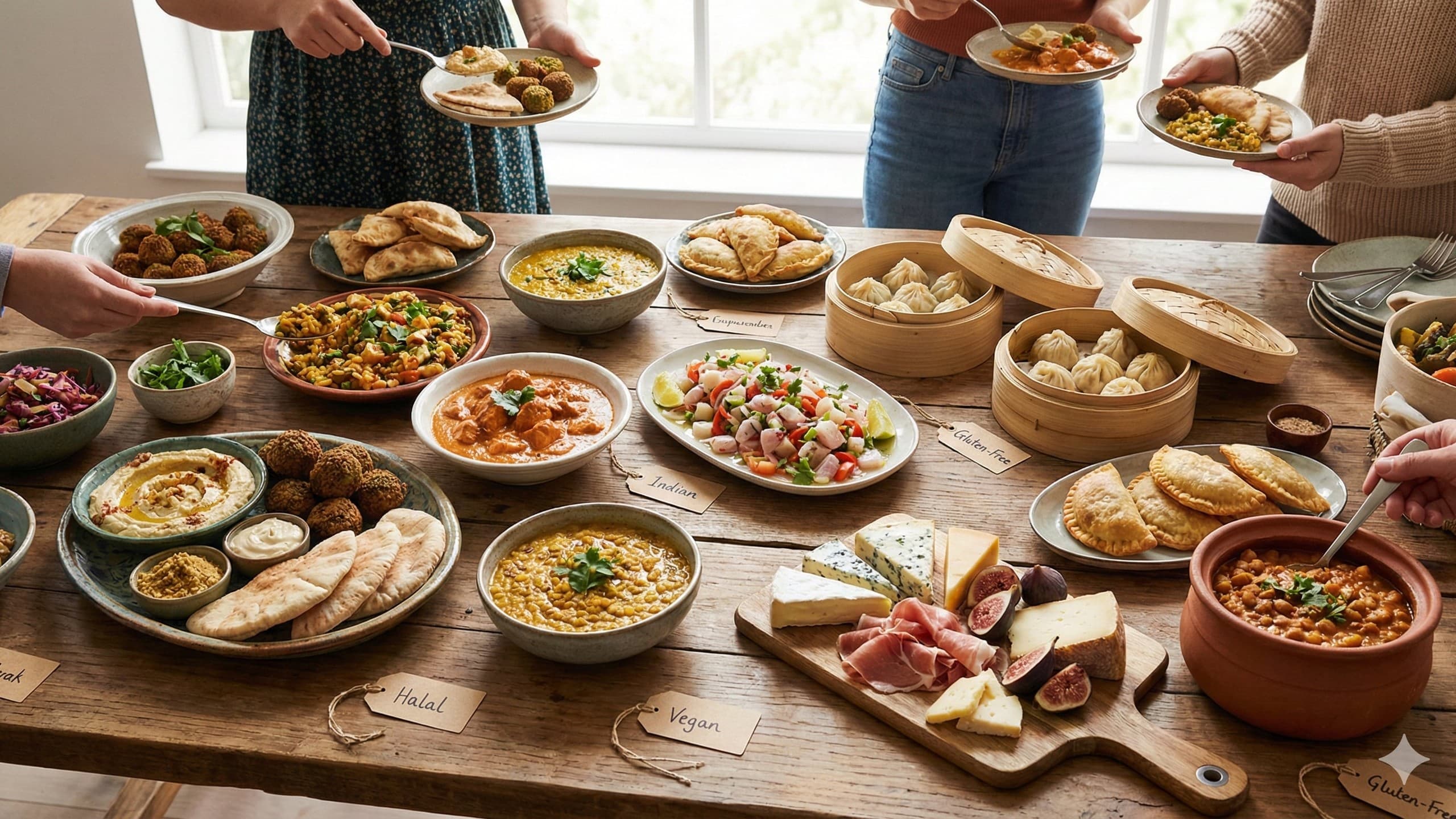
HOW TO LABEL FOOD AT EVENTS
• Every dish should be labeled with its name and a list of major ingredients.
• Use clear symbols or icons for common categories: V (vegetarian), VE (vegan), GF (gluten-free), H (halal), K (kosher), NF (nut-free).
• List major allergens explicitly — "Contains: dairy, eggs, wheat."
• Train serving staff to know what is in every dish so they can answer questions confidently. "I'm not sure" is never an acceptable answer when a guest asks about ingredients.
• Use separate, clearly labeled serving utensils for each dish to prevent cross-contamination.
COMMUNICATION BEFORE THE EVENT
• Capture dietary information at the RSVP stage. Include a question about dietary needs and allergies in your invitation.
• Follow up with guests who indicate specific needs to confirm details and demonstrate that you are taking their requirements seriously.
• Share this information with your caterer well in advance — not the day before the event.
Eventifia captures dietary requirements and allergies for each individual guest at the time of RSVP. This means you have an exact, exportable count of how many halal, kosher, vegetarian, vegan, gluten-free, and allergen-specific meals to prepare — turning what could be stressful guesswork into precise, respectful planning.
Working with Caterers
QUESTIONS TO ASK YOUR CATERER
When selecting a caterer for a culturally diverse event, ask the following:
• Do you have experience catering for diverse dietary requirements (halal, kosher, vegetarian, vegan, allergy-free)?
• Where do you source your halal and kosher meat? Can you provide certification?
• How do you prevent cross-contamination between different dietary categories?
• Can you accommodate Jain dietary restrictions (no root vegetables, no garlic, no onion)?
• How do you train your staff on allergen awareness?
• Can you provide detailed ingredient lists for every dish?
• Are you willing to prepare separate dishes (not just remove ingredients from standard dishes) for guests with specific needs?
• What is your process for labeling food at events?
• Do you have separate equipment for preparing allergen-free and specific dietary meals?
• Have you catered events with similar dietary requirements before? Can you provide references?
RED FLAGS TO WATCH FOR
• A caterer who says "We can just leave the meat out" instead of offering a genuinely designed vegetarian or vegan dish
• Inability to provide certification for halal or kosher claims
• Vague answers about cross-contamination prevention
• A dismissive attitude toward any dietary requirement ("It's just a preference, right?")
• An unwillingness to provide ingredient lists
• No experience with diverse dietary needs
CERTIFICATION VERIFICATION
If you are claiming food is halal or kosher, it must genuinely be so. This is not a label you can apply based on good intentions.
For halal:
• Verify that meat comes from a certified halal supplier
• Ensure no alcohol is used in cooking
• Check that pork and pork derivatives are absent from every dish and the preparation environment
For kosher:
• A kosher caterer should have rabbinical supervision and certification
• For strictly kosher events, the kitchen, equipment, and serving pieces must all be kosher
• Verify the specific level of kashrut (some caterers are kosher-style rather than certified kosher)
Buffet Layout Strategy
The physical layout of your buffet can be the difference between inclusive dining and accidental cross-contamination.
BEST PRACTICES FOR BUFFET LAYOUT
• Separate stations by dietary category: A vegetarian/vegan station, a halal station, a general station. Physical separation prevents accidental mixing.
• Place dietary-specific stations first in the flow so that guests with restrictions can serve themselves from clean, uncontaminated dishes before the general crowd passes through.
• Use separate serving utensils for every dish — and make them visually distinct (different colors or labeled handles) to prevent mixing.
• Place allergen-free options on a separate, clearly marked table away from the buffet where crumbs and splatters might cross-contaminate.
• Position the vegetarian/vegan station away from the meat station — the visual proximity of meat dishes can be off-putting for strict vegetarians.
• For strict kosher or halal requirements, consider pre-plated sealed meals prepared by a certified kitchen. This eliminates any risk of cross-contamination at the buffet.
STATION LAYOUT EXAMPLE FOR A DIVERSE EVENT
Station: Station 1: Vegan & Jain-Friendly | Contents: Grain bowls, roasted vegetables (no root vegetables), fruit, salads | Labels: VE, GF options marked, Jain-friendly
Station: Station 2: Vegetarian | Contents: Pasta, cheese dishes, egg dishes, dairy-based desserts | Labels: V, allergens listed
Station: Station 3: Halal | Contents: Certified halal meats, rice, halal-certified sides | Labels: H, allergens listed
Station: Station 4: General | Contents: Full menu options including all proteins | Labels: All allergens listed
Station: Station 5: Desserts | Contents: Separated sections for dairy, vegan, gluten-free, nut-free | Labels: All allergens listed per item
Station: Station 6: Beverages | Contents: Non-alcoholic prominently placed, alcoholic clearly separate
Special Considerations for Specific Event Types
WEDDINGS
Interfaith and multicultural weddings require particularly thoughtful catering:
• Discuss both families' dietary traditions early in the planning process
• Consider a fully vegetarian menu if it would satisfy all dietary needs (it often does)
• If serving both halal and non-halal meat, ensure absolute separation in preparation and service
• For Jewish-Muslim interfaith weddings: both halal and kosher prohibit pork and require specific slaughter methods — find common ground where possible
CORPORATE EVENTS
• Always capture dietary needs during registration
• Ensure dietary-specific options are not afterthoughts — they should be as appealing as the main menu
• Never single out guests by asking them to identify themselves at the event ("Who ordered the halal meal?"). Pre-labeled, discreetly placed meals are more respectful.
• Provide non-alcoholic options with equal prominence and variety
COMMUNITY FESTIVALS
• With diverse attendees, label everything extensively
• Street food and stall formats work well — guests choose from clearly labeled options
• Recruit food vendors who specialize in specific dietary traditions (a halal kebab vendor, a kosher deli, a vegan food truck)
• Have a printed or displayed food guide showing which stalls serve which dietary categories
A Checklist for Culturally Sensitive Catering
☐ Capture dietary requirements and allergies from every guest during RSVP
☐ Research the specific dietary traditions of your guest population
☐ Select a caterer experienced with diverse dietary needs
☐ Verify halal and kosher certifications independently
☐ Plan a menu that includes substantial options for every dietary category
☐ Design a buffet layout that prevents cross-contamination
☐ Prepare clear, accurate labels for every dish (ingredients and allergens)
☐ Brief serving staff on every dish's contents and dietary category
☐ Provide separate serving utensils for each dish
☐ Place non-alcoholic beverages with equal prominence
☐ Have ingredient lists available on request for any guest who asks
☐ Follow up with guests who have specific requirements to confirm their needs are met
☐ Conduct a pre-event tasting that includes dietary-specific dishes (not just the main menu)
The Table Where Everyone Belongs
Food has the power to include or exclude, to honor or offend, to bring people together or push them apart. When you invest the time and care to understand your guests' dietary traditions, work with knowledgeable caterers, and execute with precision and respect, you create something wonderful: a table where every guest can eat freely, joyfully, and with the confidence that their traditions and needs have been honored.
This is not merely good event planning. It is an act of hospitality in its truest, deepest sense.
Plan your inclusive event dining with Eventifia. Capture individual dietary requirements and allergies for every guest at RSVP, generate precise catering counts by dietary category, and manage your guest list with the detail and care that culturally sensitive catering demands. Start planning at eventifia.com.